In relation to the New World, geographers usually divide the Americas in North, Central and South America, but geologically there are only two landmasses separated by the border between Panama and Colombia. So I treat here the whole formed by the Central and North America as Northern America and South America as Southern America.
In general, the Southern America is predominantly Latin (the only countries of Germanic languages are Guyana, Suriname, Aruba, Netherlands Antilles, and Trinidad and Tobago). In contrast, the Northern America is predominantly Anglo-Saxon, because, despite Mexico and the large number of Spanish or French-speaking countries in the Caribbean, the largest territories correspond to countries of Germanic languages, such as the United States and the English-speaking portion of Canada, and several islands such as Jamaica, the Bahamas and Bermuda, where English is spoken, and Greenland, which is Danish-speaking.
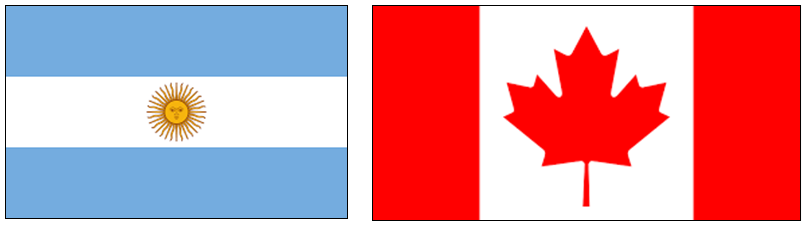
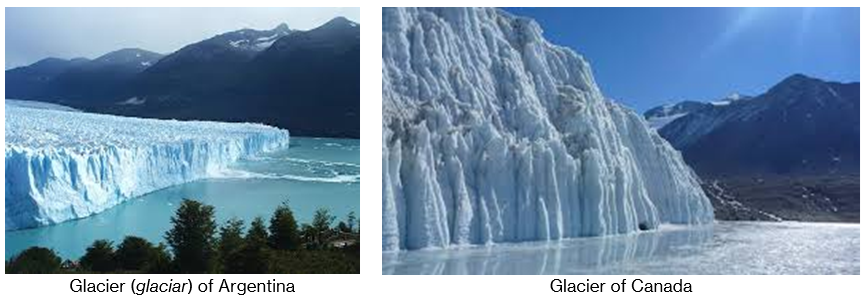
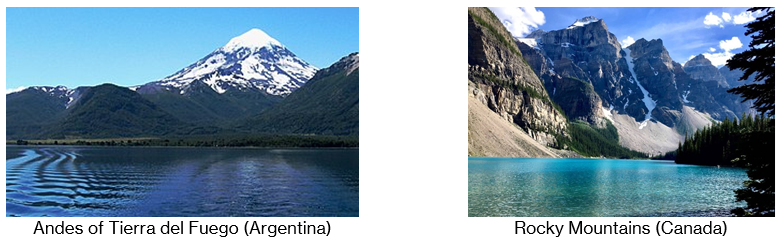
America was colonised by three Latin nations (Portugal, Spain and France) and three Germanic (England, Netherlands and Denmark). Although the colonies of each of the Latin nations do not correspond exactly with those of the Germanic nations, we can find a series of geographical parallels between Argentina and Canada (large and cold countries, with polar ends, sparsely populated with a predominantly white population, concentrated in a few cities, composed of provinces and not states, etc.), as well as between Brazil and the United States.
Since the correspondences that underlie the supersynchronicity phenomenon are not based strictly on states but on peoples, defined by their “nationality” in ethnic, not political sense, we have to consider the Canadian province of Quebec as a nation, distinct from British Canada (there is, incidentally, a separatist movement in the region called Québec Libre (Free Quebec), which can, in theory, make this province an independent country). In contrast, Uruguay was from 1820 to 1828 a province of Brazil, the Cisplatin province. In other words, Brazil was once a bilingual country.
Particularly between Brazil (once called the United States of Brazil) and the United States of America there are many historical, political and territorial analogies, not least because both are the main economic and geopolitical powers of their respective continents. The United States and Brazil have, respectively, the fourth and fifth largest territories in world terms; Brazil currently has about 200 million inhabitants, and the United States, approximately 300 million.
Ethnically, Brazil has 43% white citizens, 45% mixed race, 10% black, 0.6% Indian and 0.4% yellow. The USA is 60% white, 12% black, 10% mixed race, 6% yellow and 1% Indian. As is the case with the inhabitants of many countries, Brazilians and Americans also have a nickname: respectively, tupiniquim, an indigenous name that means ‘next door neighbour’, and yankee, also an indigenous name meaning ‘white man’.
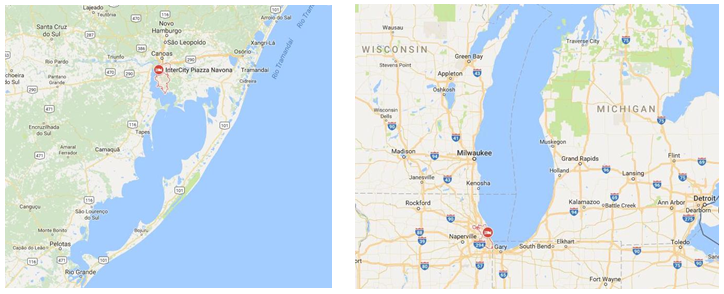
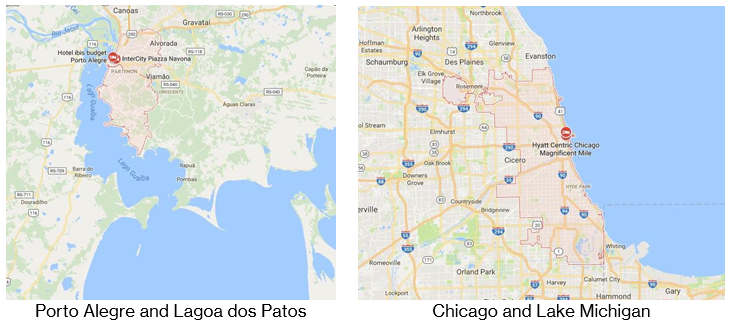
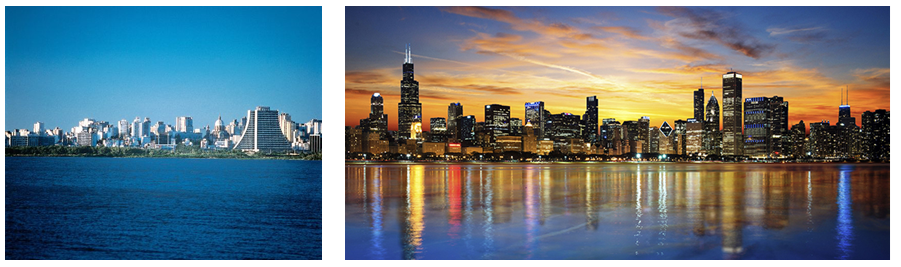
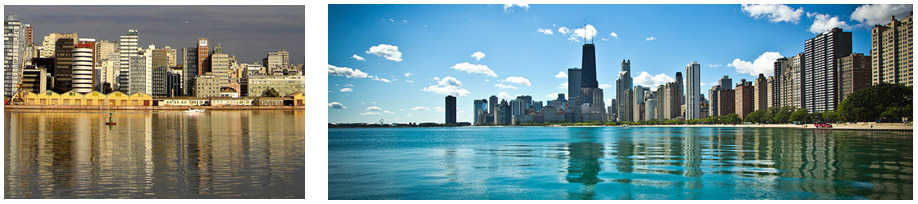
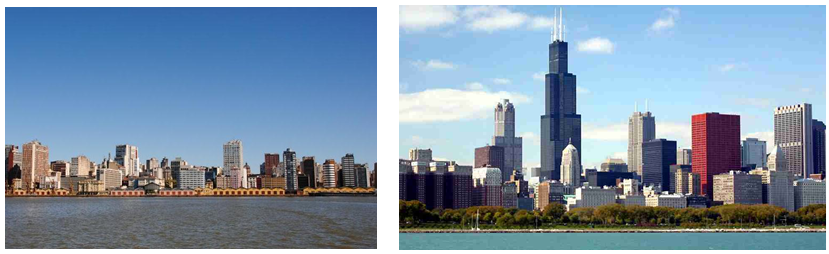
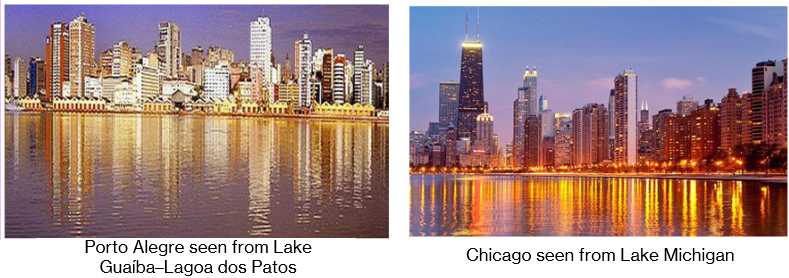
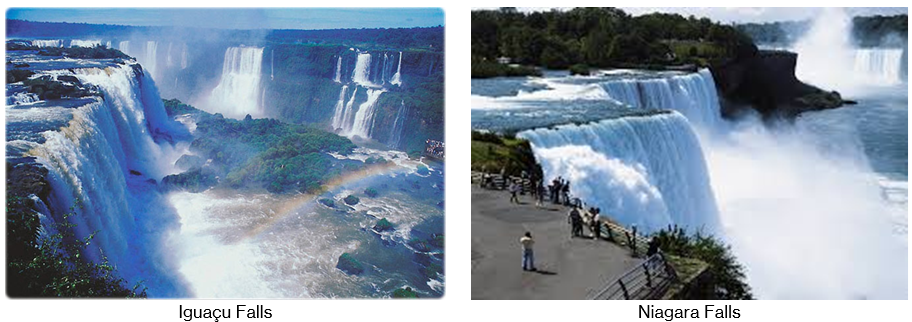
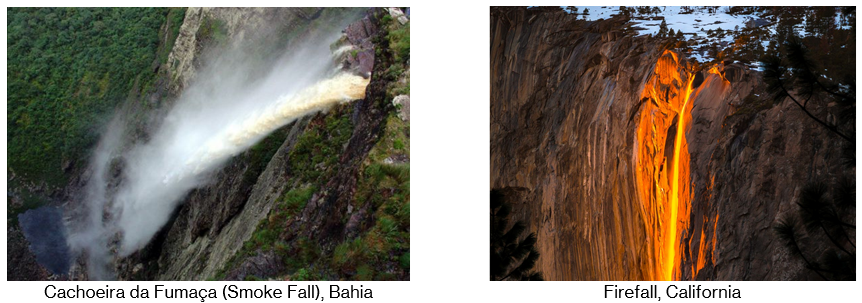
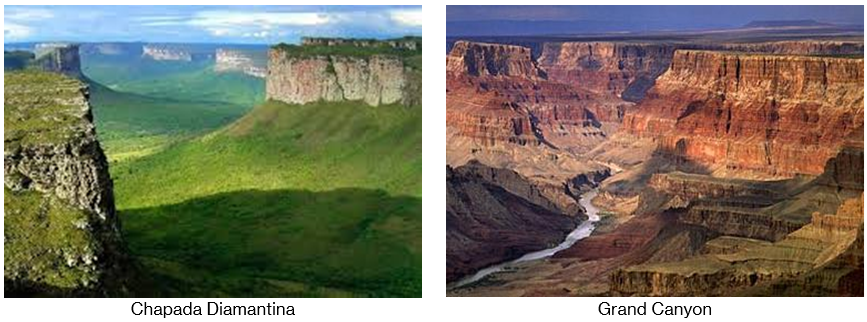
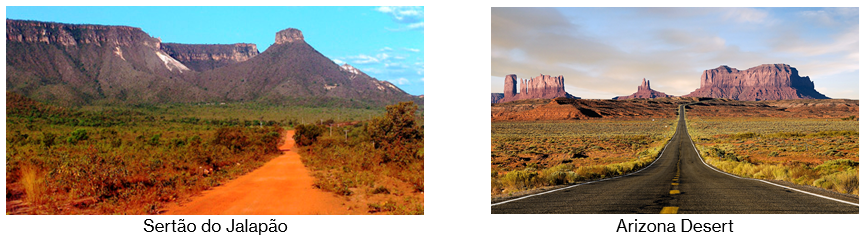
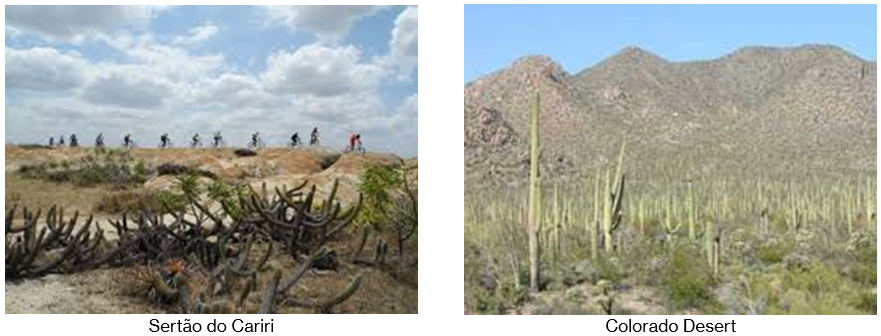
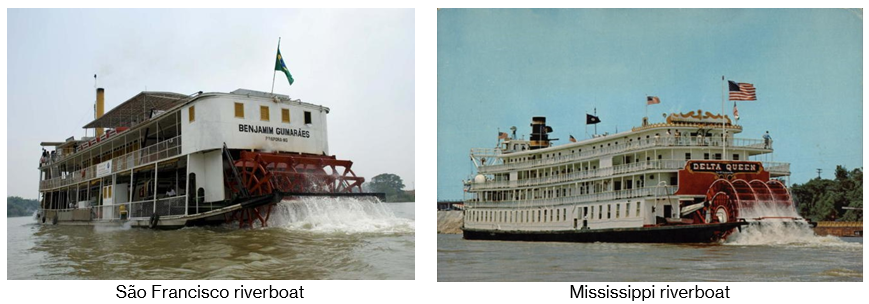
Just compare the extensive and varied territories of these two countries to find similarities between Iguaçu Falls (between Brazil and Argentina) and Niagara Falls (between the United States and Canada), between the Chapada Diamantina (Bahia) and Grand Canyon (Arizona), the São Francisco River and its famous riverboats with the equally famous riverboats of the Mississippi River, the Brazilian sertão (backlands) with the American desert, and so on. And if Brazil has the longest river (Amazon-Solimões) and the largest forest (Amazon), which it shares with neighbouring countries, the USA has the largest lakes (the Great Lakes), which it shares with Canada, and the second largest river (Mississippi-Missouri). On the other hand, Brazil also has its great lakes: Lago Guaíba, Lagoa dos Patos, Lagoa Mangueira and Lagoa Mirim, all in the state of Rio Grande do Sul. The latter is shared with Uruguay, and the other three are close to it.